By 59club Insights Magazine on February 18, 2026

Matt Roberts
59club Director
With the help of a range of industry experts, Matt Roberts, 59club Director, considers the role the senses play in customer service – and how powerful first impressions can be


Gareth Beard
Bruntwood SciTech

Dawn White
Bruntwood SciTech
Reimagining golf clubs as health and business hubs
With changing lifestyles and working patterns, golf clubs now have the chance to play a much bigger role in people’s everyday lives, explain Gareth Beard and Dawn White, Senior Area Operations Managers at Bruntwood SciTech
Learning from hospitality
In our world, we’ve seen how spaces really come alive when they’re designed around people, not just function. That’s what the hospitality sector gets right. Golf clubs can build on this strength by creating destinations that are welcoming, social and flexible with workspace, wellness facilities, quality food and drink, and a strong events programme.
The power of experience
What sets places apart are the details that engage the senses, from music, lighting, biophilia and scent, to service and design. At Bruntwood SciTech, this approach has helped us achieve a 70% customer retention rate – well above the industry average – and high customer usage of 71% across the week. For golf clubs, these small touches can create memorable experiences that encourage members to return and stay longer.
A good first impression is about making someone feel seen, respected and valued right from the start. It’s a blend of subtle cues, actions and attitudes that create an immediate positive impact. It will also include visual aspects within a workspace, social locations and generally the place and space we interact with.
Research tells us that first impressions can be formulated in between seven and 27 seconds. They last long and are very hard to overturn, so it is important to focus on all areas that will influence and create the best first impressions.
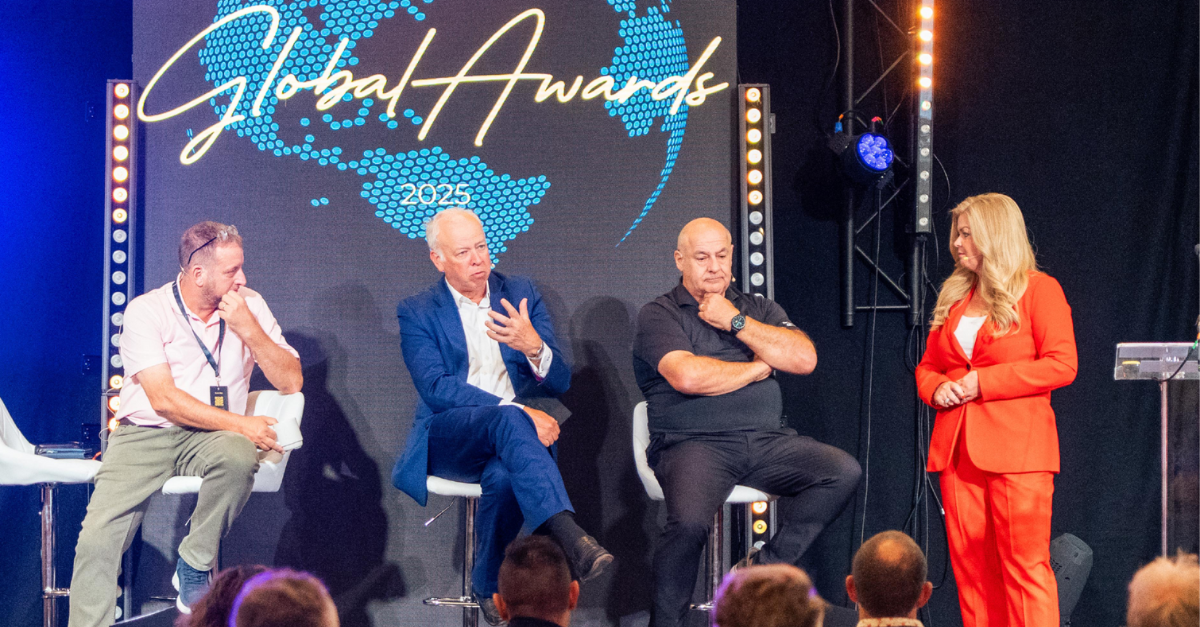
During the inaugural 59club Global Awards, we were joined on stage by Gareth Beard and Dawn White, who are both Senior Operations Managers at Bruntwood SciTech, Ryan Woods, General Manager of Pinebrook Golf & Country Club and Nic Middleton, Founder and Owner of Zen Putting Stage. They offered some insightful presentations from their own experience, and talked through various ways we can create better first impressions within all areas of hospitality.
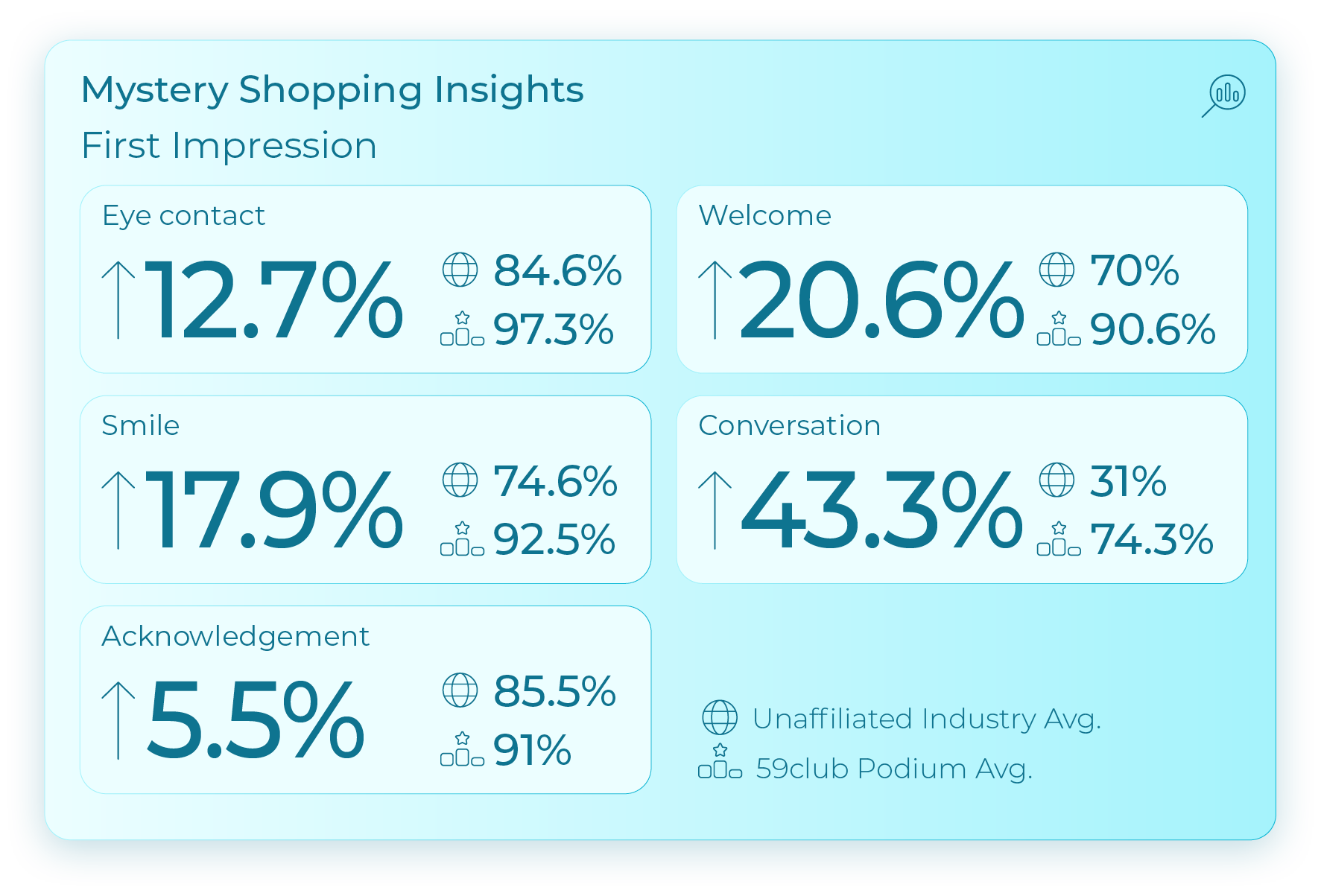
59club data shows that venues who work on their first impressions – which include eye contact, smile, acknowledgement, welcome and engaging conversation – will deliver a better experience over 13% more often than ones that don’t, and the best in class deliver a nearly faultless first impression over 89% of the time.
Unlocking potential
Blending workspace with leisure and health offers golf clubs more than an additional service; it creates fresh reasons for midweek use, attracts broader audiences and supports new revenue streams – all of which help secure long-term resilience. For the greatest impact, focus on the small details that engage the senses to create places people want to return to, and golf clubs can strengthen loyalty and their role as hubs for health, business and community...

Ryan Woods
Pinebrook Golf & Country Club
The senses in service
Ryan Woods, CEO of Pinebrook Golf & Country Club, explains that all five senses are crucial when it comes to making his members feel at home
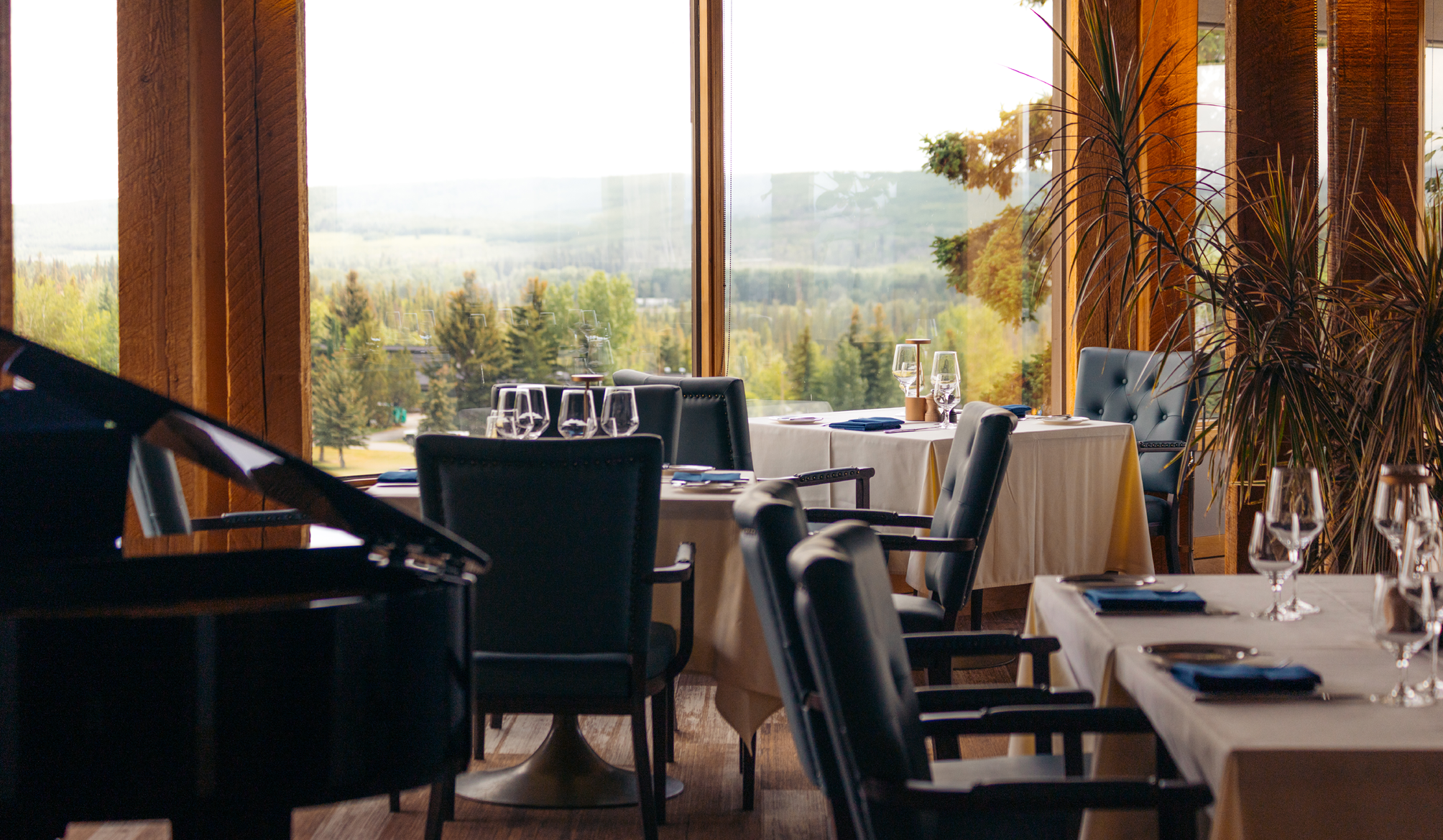
In our service world, data tells one story, but experience tells the human side. I was fortunate to share some of what makes Pinebrook a special place in our recent presentation on The Power of Scent in Enhancing the Member Experience: A Journey Through the Five Senses. I view training and the service we offer as more than a checklist – it’s a framework for shaping how members feel the moment they arrive and how long that feeling lingers. Scent is one of several key focus areas we pursue to move beyond transactions into lasting connections.
First, the five senses aren’t just signals; they’re levers for emotional engagement. Sight, sound, scent, touch and taste each contribute to a club’s identity, shaping memories of a visit long after the round is done
Second, the clock speed of modern service – speed and efficiency – matters, but it’s the anticipation, warmth and care that convert visits into loyalty.
Third, the “Proust effect” – where small sensory cues trigger personal memories – drives repeat engagement when we get the details right.
At Pinebrook, we’re translating these insights into culture. We train staff to read rooms, respond with genuine care and lean into a hospitality-forward mindset – not a rule-based checklist. It’s about creating a vibe where staff-led conversations feel meaningful, and where every touchpoint – from the pro shop to the grill – feels intentional. The power of scent marketing goes a long way toward making our members feel at home.
The short-term wins are real and notable: higher satisfaction scores, more repeat visits and stronger word-of-mouth. The long-term payoff is a club that people leave wanting to return to – again and again.
Sensory design isn’t decoration; it’s a strategic tool to forge emotional resonance, drive loyalty, and elevate any club from a great club to a truly memorable experience. While we tend to focus on the key areas around the club – the sights and smells – we can go beyond that to curate an experience that continually evolves and engages our members in unconventional, impactful ways.

Nic Middleton
Zen Putting Stage
Unlocking the untapped potential of putting
Nic Middleton, Founder and Owner Zen Putting Stage, explains how putting should be at the centre of all golf leisure environments
At the inaugural 59club Awards, Zen Golf delivered a thought-provoking presentation exploring how the senses underpin skill acquisition in golf; and how a deeper understanding of them can transform customer experience.
Using the striking image of a sensory homunculus, the presentation highlighted often-overlooked senses such as balance, proprioception and kinaesthetic awareness, showing how they shape a golfer’s interaction with the course and its facilities.
Drawing on recent data, Zen proposed that golf venues are overlooking one of their most powerful assets: putting. Despite its central role in performance, putting remains underdeveloped as an engagement tool.
Zen argued that by focusing on this untapped resource, operators could deliver significant performance enhancement while opening new avenues for customer loyalty, dwell time and incremental revenue.
The presentation showcased how Zen’s Green Stage Adaptive Terrain Technology (ATT) has been combined with ball-tracking systems and gamification strategies, underpinned by the latest scientific skill acquisition framework of ecological dynamics.
This approach turns putting into an interactive, game-like experience that is both entertaining and educational. Visiting parties, members and guests can be drawn into experiences that feel fun yet purposeful – fostering skill improvement while strengthening emotional ties to the venue.
Zen’s message was clear: re-imagining putting as an immersive, sensory-rich experience offers operators a powerful way to differentiate, delight customers and build repeat business. For a sector seeking fresh ways to engage today’s golfer, the future of participation and loyalty may start on the green.


How to make a great first impression
Delivering service excellence in F&B