By 59club Insights Magazine on February 18, 2026
Anthony Blackburn
Founder, Golf in Society
Anthony Blackburn, the Founder of Golf in Society, shares his powerful vision of golf clubs becoming pillars of the modern community
Golf has always been celebrated for its sporting tradition and social camaraderie, but its role in supporting healthier, happier lives for older adults is now firmly in the spotlight.
As populations age rapidly across the globe, the healthy ageing market is emerging as one of the most dynamic opportunities for golf and hospitality industries to redefine their impact on society and business.
No longer simply a leisure pursuit, golf is being recognised as a powerful vehicle for delivering health, wellbeing and social connection – attributes in high demand as health systems seek innovative, preventive solutions for an expanding older demographic.
Pioneering initiatives are placing golf clubs at the heart of local communities as “health hubs”, positioning them to offer not only recreation but evidence based wellbeing programmes for people living with chronic illness, cognitive decline and social isolation.
These efforts are not just transforming lives; they are future-proofing clubs by attracting new members, diversifying revenue streams and enhancing reputations for community leadership. The opportunity: to leverage golf’s unique blend of physical activity, mental stimulation and social interaction to serve a larger, more diverse audience – while strengthening membership, partnerships, and funding in the process. By embracing the healthy ageing market, golf and hospitality organisations evolve from providers of sport into essential pillars of modern, healthy and purposeful communities.
The perfect excuse to play more golf
The single most effective action readers can take to improve their health through golf is to simply get outdoors and play—whether it’s a full round, a few holes or a short format session. Consistent participation, even in brief or casual sessions, delivers proven benefits for heart health, stress reduction, cognitive function and overall wellbeing. If trying golf for the first time, all it takes is one swing or one step onto the course to begin a journey toward longer, healthier and happier years of life.
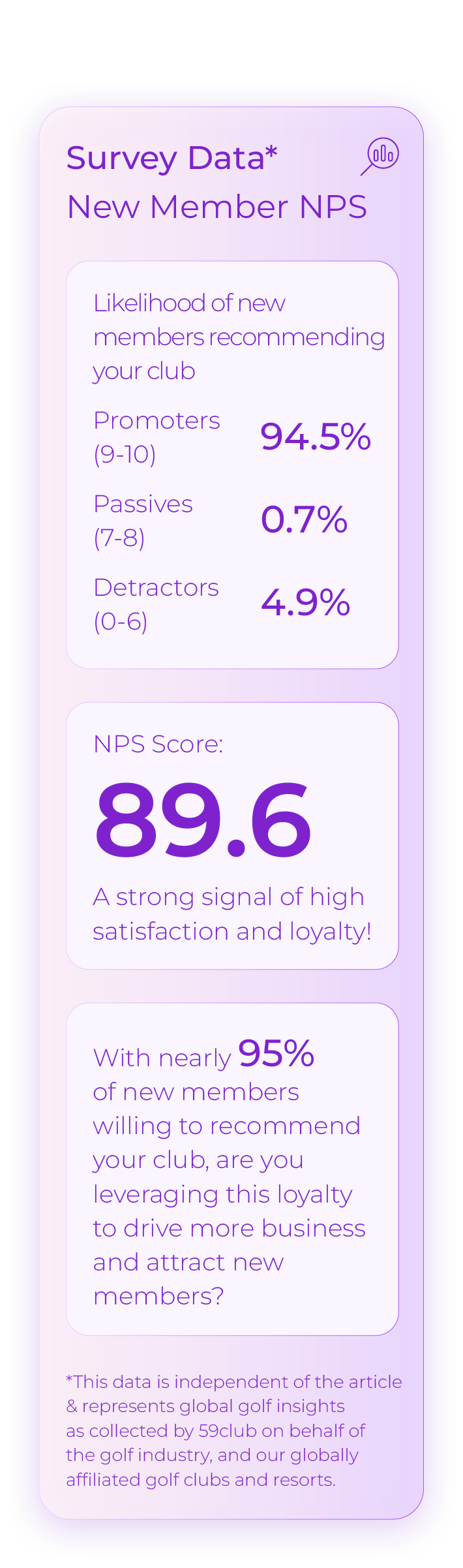
Are You Tapping Into Your New Members to Win More Custom?
EXPERT VIEW
It’s not what we say – but how we say it
Aston Ward
CPG
Aston Ward is the Communications Lead, Golf & Health Project and the Chief Operating Officer of CPG. He believes that communication is key
When it comes to promoting golf and health, the key isn’t simply what we say but how we say it. The evidence base is strong, with clear physical, psychological and social benefits. Yet these facts often fall flat when delivered too clinically. People don’t make decisions from data tables - they make them emotionally, socially and instinctively.
That’s why messaging matters. By applying principles from behavioural economics, we can frame golf’s benefits in ways that resonate with everyday life. Instead of “golf reduces cardiovascular risk,” say “nine holes can help clear your head after a busy day.” Rather than presenting golf as technical or intimidating, show it as social, fun and accessible: “the best part of golf? The people you play it with”.
These small shifts turn research into relatable stories. With tools like ChatGPT, clubs now have the ability to create, test and refine messaging like this quickly and at minimal cost.
For golf facilities, this is an opportunity. Embedding health messaging into your marketing, events and member communication doesn’t just promote participation – it strengthens retention, community reputation and member loyalty. It positions your venue not just as a place to play, but as a place to feel better, live better and connect with others.
One thing golf could do better
Consistently share golf’s health benefits in simple, relatable ways. Imagine if everyone in the industry told just one person each week how golf helps you feel better, live longer or connect socially. The ripple effect would be huge, and together we’d shift perceptions of golf - not just as a sport, but as a powerful tool for health and wellbeing.
Dr Charlie Foster OBE
Professor of Physical Activity and Public Health
EXPERT VIEW
Golf for health: a winning strategy for clubs and communities
Dr Charlie Foster OBE, Professor of Physical Activity and Public Health, outlines easy ways to get your club involved
Golf offers physical, social and mental benefits that clubs can turn into strategic advantages by framing health messages in simple, human terms. Embracing the golf and health approach in your business strategy can attract new demographics (older adults, families, workplace groups), fill quieter tee times, generate new revenue (wellbeing classes, sponsorships, grants), and improve member retention and club differentiation.
Practical steps
Recruit volunteers and a programme lead, adapt an existing template, run a low-cost six-week pilot, partner with local health providers, train staff with short scripts, and track simple outcomes (attendance, self-reported wellbeing, repeat visits). Programme design should be short and social (six weeks, social time included), low-barrier (loan clubs, beginner clinics), inclusive, and measurement-light (2–3 KPIs). You might need to address any objections by emphasising existing evidence.
Implementation checklist
Recruit volunteers, set a six-week pilot date, create three messages, train staff, secure partners, run and evaluate the pilot, then scale. Call to action: ask every staff member or volunteer to tell one person this week how golf helps them feel better. Small, consistent conversations build a ripple effect.
One thing we could do better
Systematically B to C test three G&H messages (emails, social posts, reception scripts) and track which drives bookings and referrals – then adopt the highest-performing message across marketing and staff interactions.
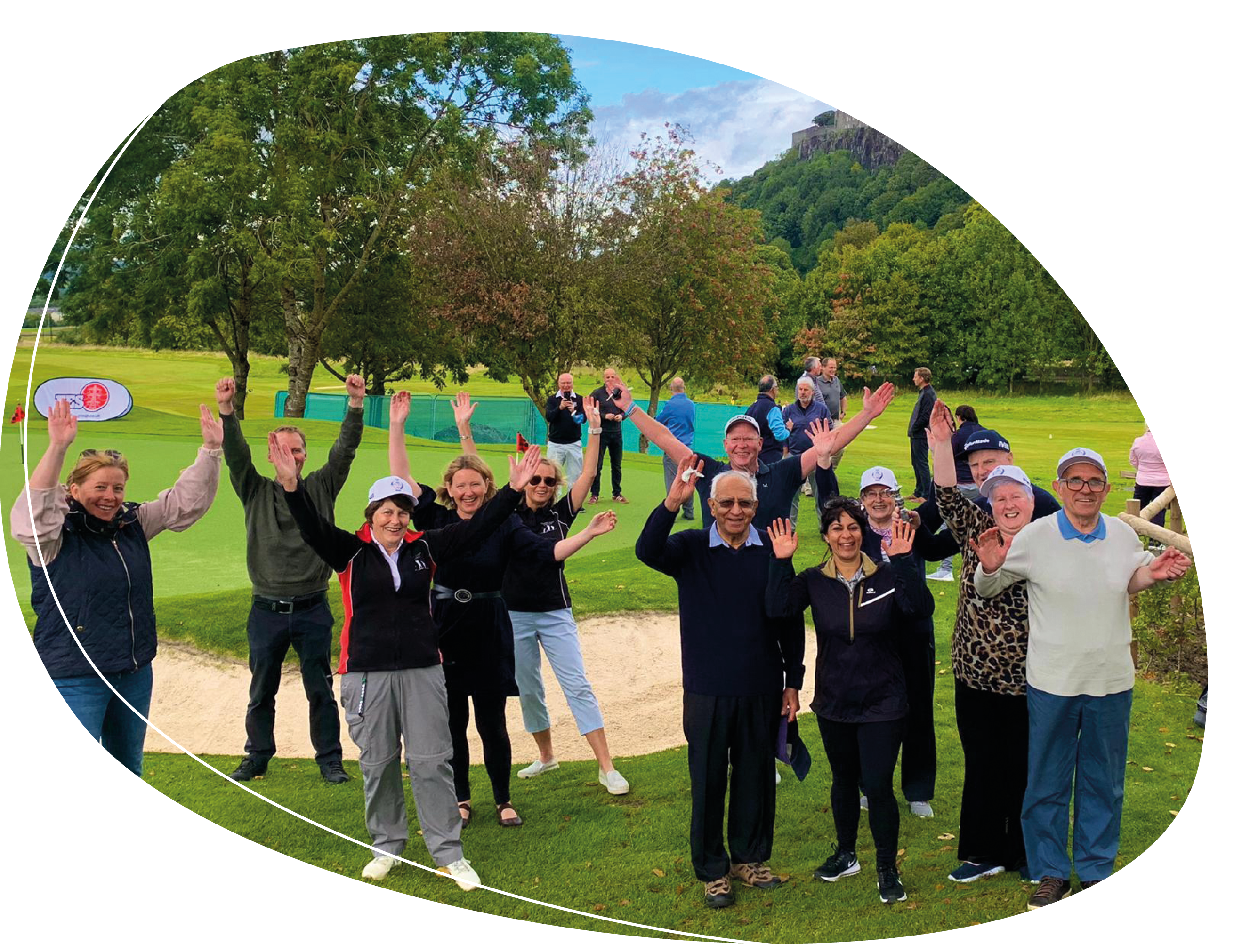
“Every time we host a Golf in Society session, not only do we spark people into life, we also make them feel special. These priceless moments, combined with the fact that over 80 per cent of participants report improved wellbeing and social connection, provide all the evidence needed that our mission is truly changing lives. In just one season, our programmes help participants walk over 12,000 kilometres, take 675,000 steps and spend 175 hours being active and connected—all while enjoying the game they love.”
Anthony Blackburn
Golf in Society
EXPERT VIEW
“Golf is healthier than walking – and we have got the science to prove it”
Dr Julia Kettinen
Teaching Golf Professional
Dr Julia Kettinen, is a Teaching Golf Professional with a Doctorate in Sport and Exercise Medicine
Here’s something that might surprise you – golf could be better for your health than walking. That may sound like something a golfer would say to justify another round, but we’ve got the science to prove it.
Why? It’s not just the walking. It’s the combination of activities. Swinging clubs engages muscles, planning shots challenges the brain, hours outdoors support wellbeing, and social interaction adds another layer of value. The numbers are impressive too. Even a single 18-hole round can offer significant cardiovascular and cognitive benefits, particularly for older adults, compared to regular walking.
What really got my attention was how much people enjoyed it. Globally, more and more people are playing golf – over 100 million now – which is great for both individuals and populations. Especially during the pandemic, when gyms were closed and people were stuck inside, golfers actually increased their activity levels and felt better about life. That’s the magic of golf – it doesn’t feel like exercise, but your body gets all the benefits anyway.
Doctors tell patients to “get more exercise” but rarely mention golf. Meanwhile, golfers are getting a fantastic workout without realising it. Imagine your doctor prescribing a round of golf for your heart health, or lessons as part of recovery from illness. The science is there, the facilities exist, and patients would actually follow through – because unlike going to the gym, golf is something people genuinely want to do.

Too little, or too much...
20 Minutes a Year to Help Shape the Future of the Industry