By 59club Insights Magazine on February 18, 2026

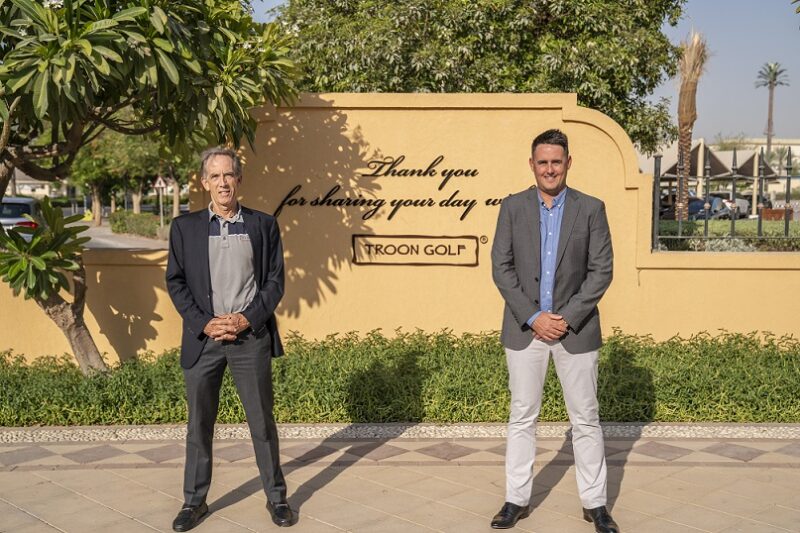
Martin Boucher
General Manager, La Vallee du Richelieu
In the golf industry, it can be problematic to attract seasonal talent to deliver high service levels. Fortunately, Martin Boucher, General Manager of La Vallee du Richelieu, in Canada, has tried-and-tested techniques that are applicable to clubs and resorts around the world
The golf industry, often perceived as a leisure-focused environment, is in reality a complex service ecosystem that requires a highly skilled and motivated workforce.
Private and public facilities alike rely heavily on seasonal employees to deliver the quality experience that members and guests expect.
From turf maintenance crews and pro shop staff to food and beverage teams and teaching professionals, seasonal hires are the backbone of operations during peak months.
Yet, attracting and retaining this workforce has become one of the industry’s most pressing challenges.
The workforce challenge
Seasonality itself is the greatest obstacle. Golf clubs and courses typically operate with fluctuating demand based on climate and member activity. For many regions, this translates into a compressed operating window where demand for labour peaks during spring and summer. Employees must be brought on quickly, trained efficiently and integrated into service teams without sacrificing quality.
Today’s labour market conditions intensify these challenges. Competition for entry-level workers is fierce, as industries like hospitality, retail and tourism often offer steadier year-round employment.
Rising costs of living and wage expectations add pressure, making golf facilities less attractive if compensation does not keep pace.
Moreover, younger generations – who make up a large portion of the seasonal workforce – seek not only pay but they also require flexibility, meaningful work and opportunities to develop transferable skills.
Workforce drivers
Several key drivers shape the golf industry’s workforce landscape:
- Demographic shifts
With many baby boomers retiring, there is a smaller pool of experienced candidates available. Simultaneously, younger workers entering the labour force value flexibility and experiences over traditional job stability.
- Competitive labour market
Restaurants, resorts and retail employers all compete for the same demographic of workers. Golf clubs that cannot differentiate themselves struggle to attract talent.
- Changing expectations
Today’s seasonal employees expect clarity in schedules, supportive management and the chance to learn skills that will serve them beyond the season.
- Member and guest demands
Service expectations are higher than ever. Members and guests expect personalised, attentive and consistent service, placing pressure on managers to hire staff who can embody these standards quickly.
Access to talent
The question of “where” to find the right people is as critical as “how.” Golf facilities often rely on word of mouth or repeat seasonal staff. Broadening access channels is essential:
- Educational institutions
Building formal relationships with high schools, colleges and universities can open access to students seeking summer employment or internships in hospitality, turf management or business.
- Local communities
Partnerships with community organizations, job centres and youth employment programmes can introduce golf careers to new audiences.
- International recruitment
For some clubs, leveraging international work programmes provides a pool of motivated seasonal staff.
- Alumni and returning staff
Encouraging past employees to return through loyalty incentives ensures continuity and reduces training costs.
Attracting the right talent
To attract the right talent, clubs must position seasonal roles as more than just summer jobs. They need to be marketed as experiences that build valuable skills in customer service, teamwork, leadership, and hospitality. Practical steps include
- Competitive compensation
Wages must be aligned with or exceed competing industries. Benefits such as meal discounts, golf privileges and uniform allowances add appeal.
- Flexible scheduling
Recognising that students, part-time workers and retirees may need adaptable schedules can make positions more attractive.
- Clear career pathways
Showcasing how seasonal roles can lead to full-time careers in golf management, turf science and hospitality helps attract ambitious candidates.
- Inclusive hiring
Recruiting from diverse backgrounds not only broadens the talent pool, it also strengthens the club culture and guest experience.
- Highlighting lifestyle benefits
Working at a golf club offers unique perks: a scenic workplace, active outdoor roles and the chance to be part of a sport-driven culture.
Achieving high service levels
Ultimately, attracting the right workforce is about aligning employee needs with member expectations. Golf facilities must remember that seasonal staff are often the first and most frequent touch points for members and guests. A well trained, engaged and motivated workforce translates directly into service excellence.
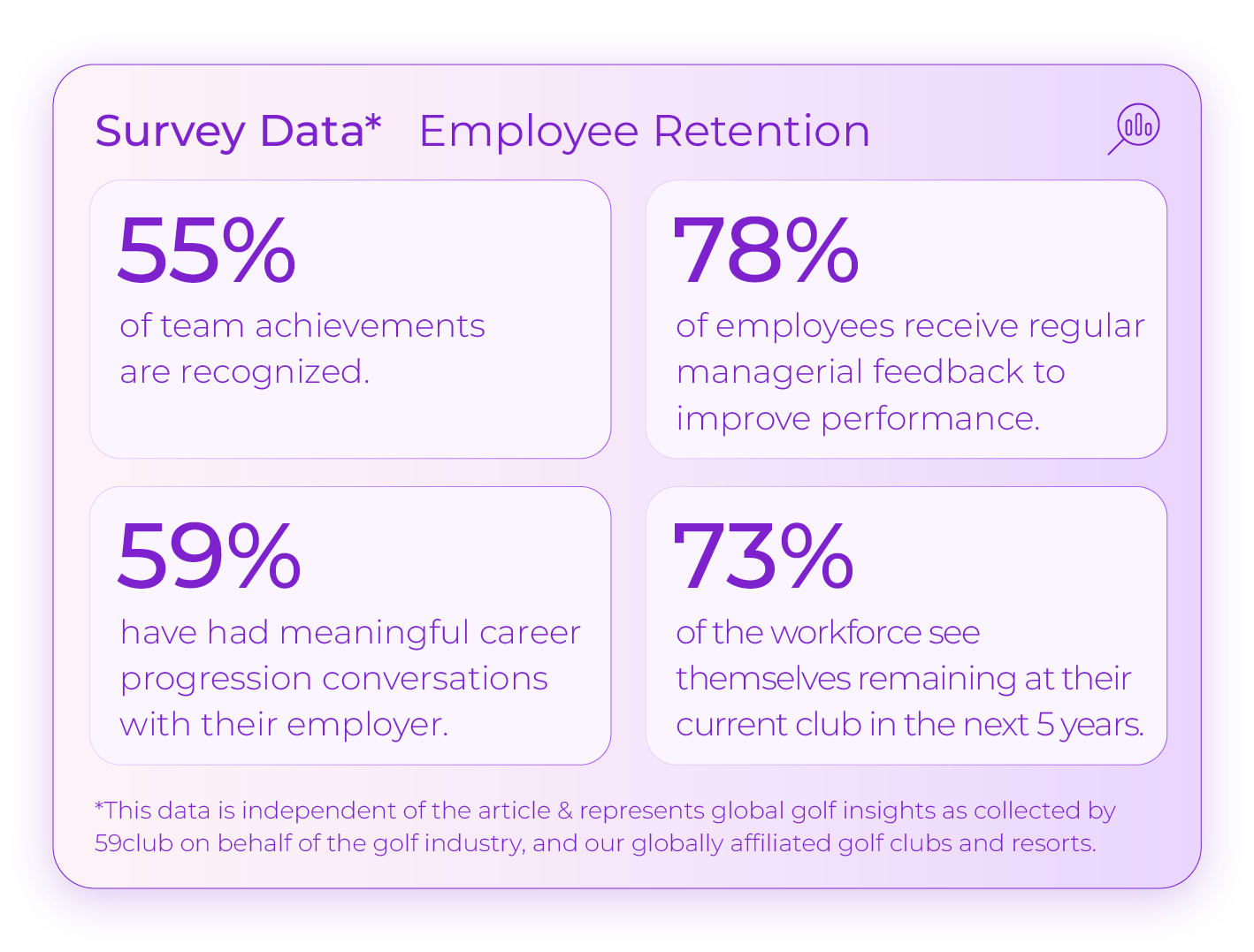
Leaders must invest in both people and processes: creating structured onboarding programmes, mentoring seasonal hires, and embedding a culture of accountability and pride in service. Recognising achievements, providing feedback and celebrating staff contributions go a long way in ensuring employees feel valued.
Conclusion
The golf industry’s dependence on seasonal employees is both a challenge and an opportunity. While it can be difficult to recruit and retain staff for limited-term roles, clubs and courses that approach workforce planning strategically – leveraging drivers, accelerators and access points – can attract the right people with the right skills.
By offering competitive pay, flexibility, training and a culture that emphasises growth and recognition, the golf industry can position seasonal employment not as a stopgap, but as a meaningful and rewarding experience.
Doing so not only secures a strong workforce but also ensures the high service levels that keep members and guests returning to the game they love.

About Martin
Martin Boucher was the General Manager and COO of Boutique ProGolf (BPG) for 14 years, where he brought together the best professionals of this industry and gave them a platform to connect. Now as the GM of La Vallee du Richelieu, a private 36- hole facility, Martin is working on bridging the gaps between GOOD and GREAT!

59club Canada Unveils Nominations for 3rd Annual Awards

59club Nordic launched